
Bristol County Bench Warrants Explained
A bench warrant in Bristol County signals a broken promise to the court, not a brand-new charge. The case was already open before the judge. What changed is that the person skipped something the court required: a hearing, a program, or an ordered payment. The order simply lets an officer bring that person back before the judge. That detail shapes the fix. Because the case exists, the way out runs through the same court, the same docket, and often the same judge who signed the warrant. No separate petition office exists. You go back to where the case lives.
Bristol County Dockets Say Default Warrant
Bristol County dockets almost never say bench warrant. Expect entries like default, warrant, failure to appear, or warrant removed. Each label carries its own meaning. A default is a case status. A warrant is the actual order. A removal means the order is no longer active. When you phone a clerk about a Bristol County warrant, quote the docket wording rather than your search term, and the conversation moves faster. The state's warrant statute defines what a clerk must enter and requires an update whenever a warrant is recalled or removed.
Note: A docket can show a default with no warrant attached, so read the whole entry before you react.
How Bristol County Bench Warrants Are Issued
In Bristol County, the judge signs the order from the bench. A clerk can also process it after a missed setting. No fresh probable-cause review happens, since the case and the person are already before the court. Once signed, the warrant enters the state Warrant Management System and stays active until the person appears, the obligation is met, or a judge recalls it. The effect can be fast and silent. Someone who misses a Tuesday morning hearing can carry an open warrant by that afternoon, with no further notice in the mail.
Note: Bristol County courts do not run a single countywide surrender desk, so the recall route is court by court.
What Triggers a Bristol County Default Warrant
Missed hearings drive most Bristol County default warrants, yet they are hardly the only trigger. The same result follows when a person ignores a summons, skips a continued criminal hearing, or fails to appear for a traffic citation hearing. A probation violation works the same way. So does an unfinished court-ordered condition. Unpaid obligations are the other major source. A fine, fee, or assessment left unpaid can start a statutory default process. In family court, an ignored divorce or child-support order can lead to contempt proceedings and a capias.
Note: A missed jury-duty appearance follows its own court guidance and should be handled through that route.
Bench Warrants and Arrest Warrants Compared
A bench warrant and an arrest warrant look similar on paper. In practice they move differently. One answers something that failed to happen in a case already pending in Bristol County. The other opens a new case. That single distinction drives the bail question, the court in control, and what must occur before the order disappears.
| Feature | Bench Warrant | Arrest Warrant |
|---|---|---|
| Trigger | A missed appearance, payment, or condition | Probable cause of an offense |
| Who Issues It | The judge handling the existing case | A judge or clerk-magistrate on a complaint or indictment |
| Underlying Case | A case the person already had | A charge that starts or advances a case |
| How It Clears | Appear, pay, or move to recall | Surrender, bail, or a court appearance |
Paying a Bristol County Default Warrant
Failure-to-pay defaults follow their own statutory route in Bristol County. Under G.L. c. 276, § 31, the warrant lists the amount owed and may add an assessment, which a court can waive for good cause or hardship. Payment can arrive by mail, by phone, or electronically. The court must then update the warrant record and notify the person. Paying still is not clearing. The state's payment instructions warn that an electronic payment does not remove an outstanding warrant, so confirm the discharge with the clerk once the money posts.
Resolving a Bristol County Bench Warrant
The order that causes the trouble also maps the way out. Recall belongs to the issuing court. The steps that follow reflect Bristol County practice.
- Confirm the issuance on public case access by docket number, then call the clerk to ask what the docket actually shows.
- Talk to a lawyer about a motion to recall or discharge, and about what happens at the appearance.
- Resolve the underlying obligation, whether that is an appearance, a payment, or a completed condition.
- Appear on the date the court sets and ask for written confirmation once the warrant is removed.
Caution: A bench warrant does not expire. Ignoring it invites arrest at a traffic stop and can block a license or benefit.
Bristol County Family Contempt Warrants
Family cases use a different tool. A complaint for contempt asks the Probate and Family Court to enforce an order already on file, and a capias can follow. The registry, not a police warrant desk, controls that file. The New Bedford registry page shows one of the three offices holding Bristol County family files.
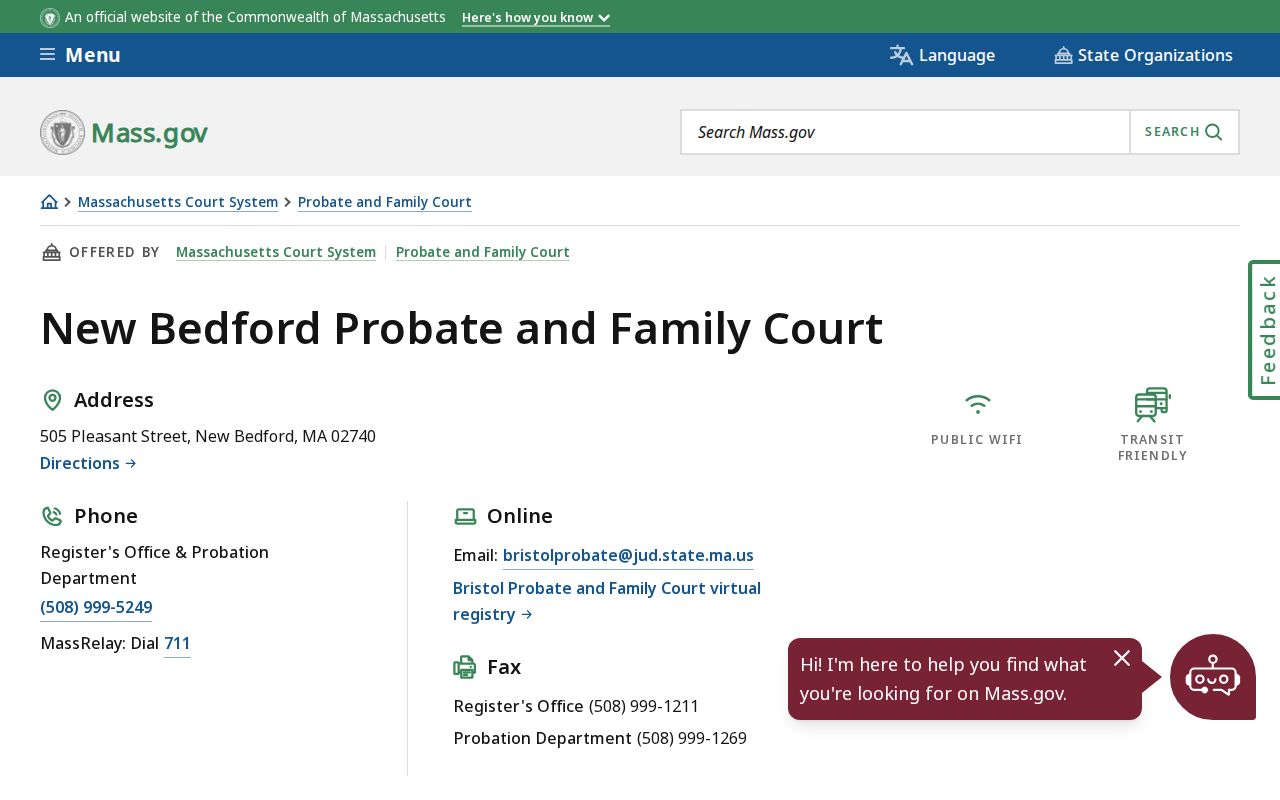
Bristol County keeps these cases in Taunton, Fall River, and New Bedford. Take a child-support or parenting dispute to the registry holding the order. When the court directs service, the sheriff's Civil Process Division handles the capias.
Bristol County Bench Warrant Recall Preparation
Preparation pays at a recall appointment. Bring the summons or notice, the docket number, government identification, and proof tied to the missed date, such as a hospital record, work schedule, or payment receipt. The official warrant-check guidance explains that a lawyer may attend with you and that a public defender may be appointed in eligible criminal cases. Family orders run through the registry holding the file, such as the Fall River Probate and Family Court.
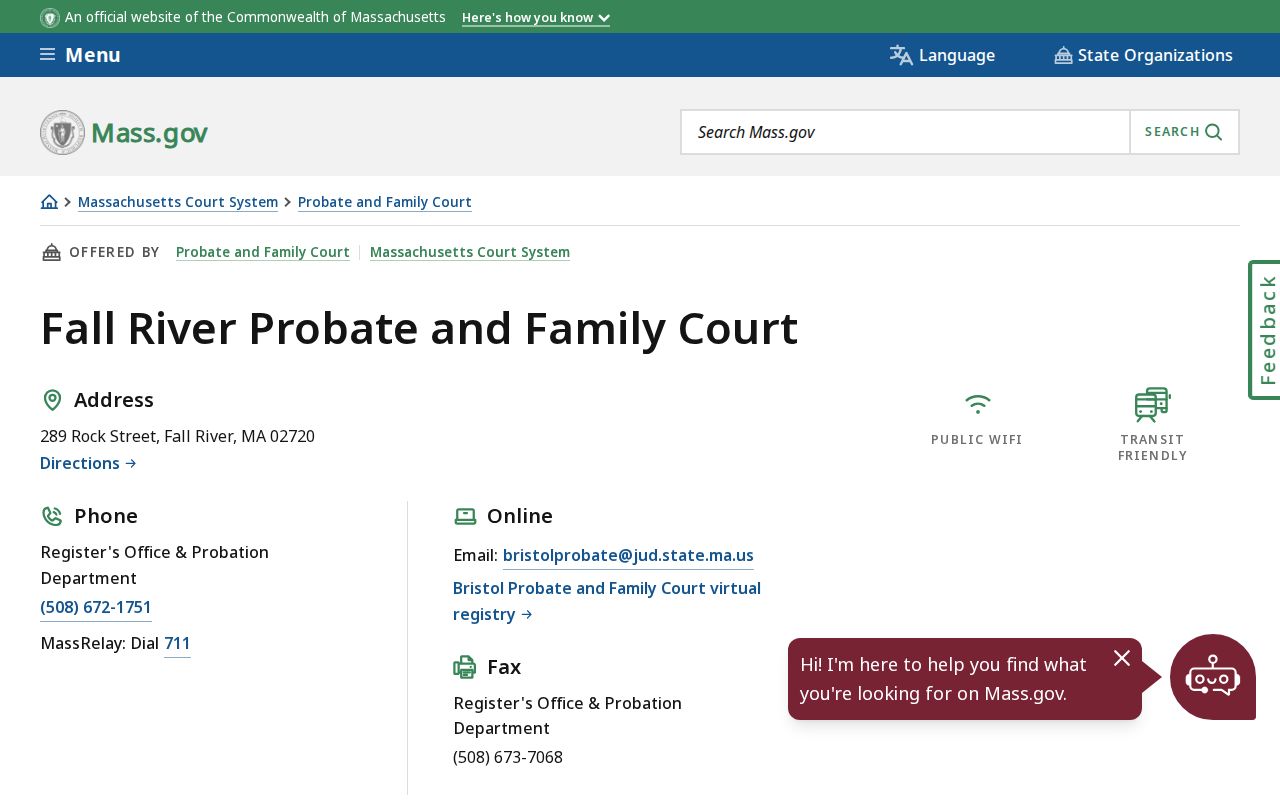
At the registry, be ready to explain the gap in your own words. The court will likely set a new date. Bristol County court staff can walk you through the procedure, but they cannot advise you, so ask what the office needs rather than what you should do.
Finding the Court That Issued the Warrant
Only the court that set the case can recall its warrant. That means a District Court bench warrant returns to its own division. A Superior Court matter goes back to the criminal session. A family contempt capias belongs to the Probate and Family registry, and the table shows the Bristol County courts and the towns each one serves.
| Court | Where It Sits | Communities Served |
|---|---|---|
| Attleboro District Court | 88 North Main Street | Attleboro, Mansfield, North Attleboro, Norton |
| Fall River District Court | 186 South Main Street | Fall River, Freetown, Somerset, Swansea, Westport |
| New Bedford District Court | 75 North Sixth Street | Acushnet, Dartmouth, Fairhaven, Freetown, New Bedford, Westport |
| Taunton District Court | 40 Broadway | Berkley, Dighton, Easton, Raynham, Rehoboth, Seekonk, Taunton |
| Bristol County Superior Court | Taunton and Fall River criminal sessions | Felony indictments and Superior criminal matters countywide |
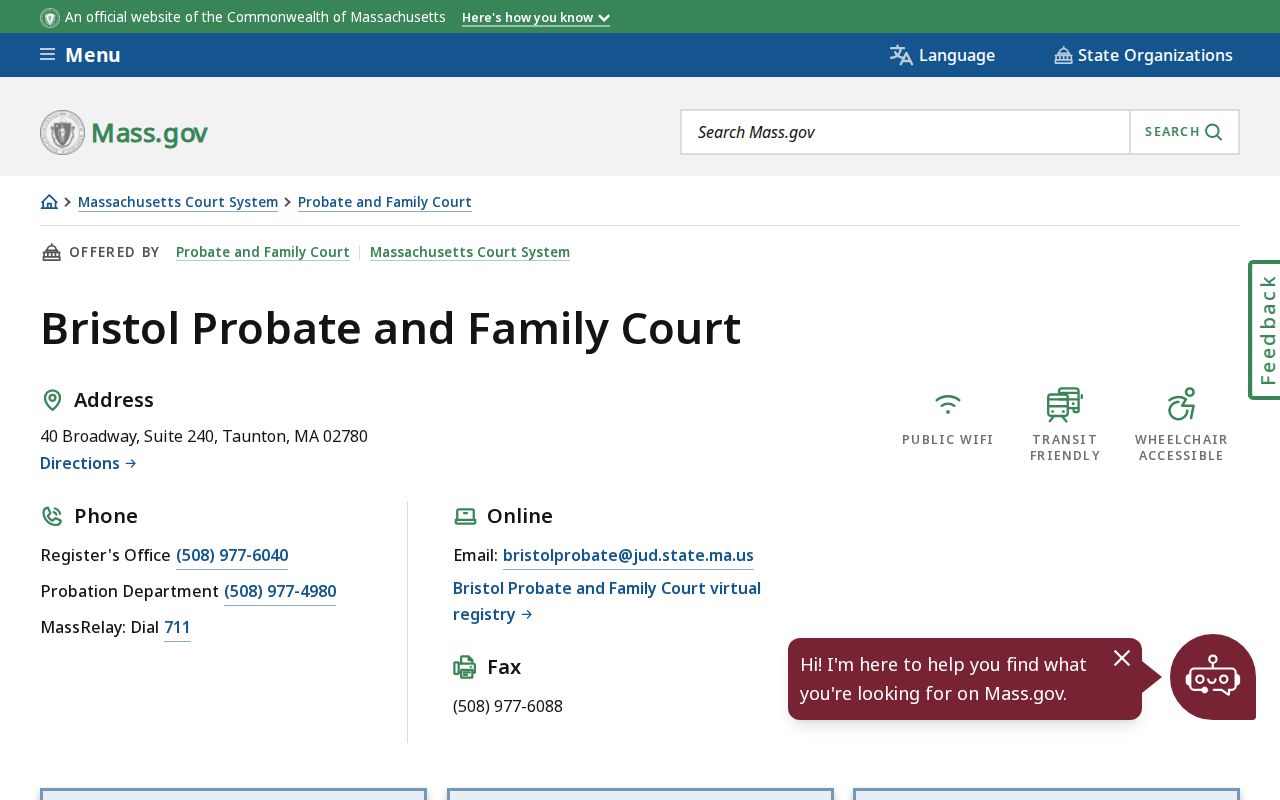
Family cases run on a separate track. The Bristol Probate and Family Court in Taunton keeps the registry for contempt and capias questions across Bristol County. It is not a criminal warrant counter.