
Searching for a Warrant in Bristol County
Every channel here ends at a clerk. Use the public case index first to learn which court holds the file. Only the clerk can say whether a warrant is still open. Skip the paid lookup services; a Bristol County warrant search needs none of them.
- Search the Trial Court case access portal by case number first, using the published docket search steps if you need the field layout.
- Search by last name, then first name, and compare any hit against the court, the year, and the case type before you trust it.
- Call the clerk-magistrate at the District Court named on the paper: Attleboro, Fall River, New Bedford, or Taunton.
- For a felony or indictment matter, call the Superior Court clerk in Taunton or Fall River rather than a District Court counter.
- If a court file is closed, sealed, or covered by a criminal-record restriction, ask the registry or the clerk what access route does apply.
Note: Massachusetts has no public statewide warrant search, so no single search clears a name everywhere.
Why Bristol County Warrant Name Searches Fail
The Trial Court warns that its online case information is not necessarily the official or most current record, and it tells readers to confirm details with the court. That warning carries the whole point of a Bristol County name search. A name match can land on the wrong person, because common names repeat across Bristol County, and a case may hide under a different spelling or a maiden name. The court can only confirm what its own file shows. Criminal cases raise a second wall. The state notes that most criminal case information appears online only when you enter an exact docket number, so a plain name search may return nothing even when a case exists.
Note: Treat every name hit as a lead to a docket, never as proof about a person.
Warrant Search Fields Explained
The public index asks for a few fields. Each one narrows a search or starts it. Department and location do the heavy lifting, since one person can appear in more than one Bristol County court.
| Field Label | Type | Required | Notes |
|---|---|---|---|
| Court Department | Dropdown | Yes | District, Superior, Probate and Family, or Juvenile. |
| Court Division | Dropdown | Yes | Choose the division, then the location inside it. |
| Court Location | Dropdown | Yes | Attleboro, Fall River, New Bedford, or Taunton. |
| Case Number | Text | Preferred | The only reliable key for most criminal files. |
| Last Name | Text | Optional | Partial spellings and variants are worth trying. |
| First Name | Text | Optional | Use a middle initial only if the docket lists one. |
| Case Type | Dropdown | Optional | Narrows a list, and does not add records. |
| Ticket or Citation Number | Text | Motor vehicle cases | Pairs with the citation in hand. |
Using an Old Bristol County Warrant Paper
An old summons or complaint usually carries more than a name. Read every line. You want the court department, the division, the location, the docket or citation number, the hearing date, and the clerk phone number. Those details let a clerk find the file in a minute instead of five. Then match the paper to a counter. A District Court paper goes to one of the four divisions. A Superior paper goes to a criminal session in Taunton or Fall River. A Probate and Family paper goes to the registry, where a contempt capias is handled as a family matter rather than a criminal one. Keep the original, and do not mail it until a clerk in Bristol County asks for it.
Note: A jury-duty default follows its own court guidance, so ask for that route rather than a criminal search.
What a Warrant Search Shows
A matched result is a docket view. It shows what was filed and what happened in court. It usually stops short of a live warrant status, which is why the Bristol County clerk matters.
| Case Number | A court code plus a year and sequence, for example 31-CR-0000-0000. |
|---|---|
| Case Type and Charge | The offense category or the citation that started the case. |
| Court and Location | The division or session holding the file. |
| Event History | Filing, arraignment, hearing dates, defaults, and recalls. |
| Status Labels | Words like default, warrant, or warrant removed, in the court's wording. |
| Bail or Bond Entry | Only when a judge has set terms and recorded them. |
Note: A docket can show a default without showing a warrant, and only the clerk can explain which it is.
Federal Warrants and Bristol County Cases
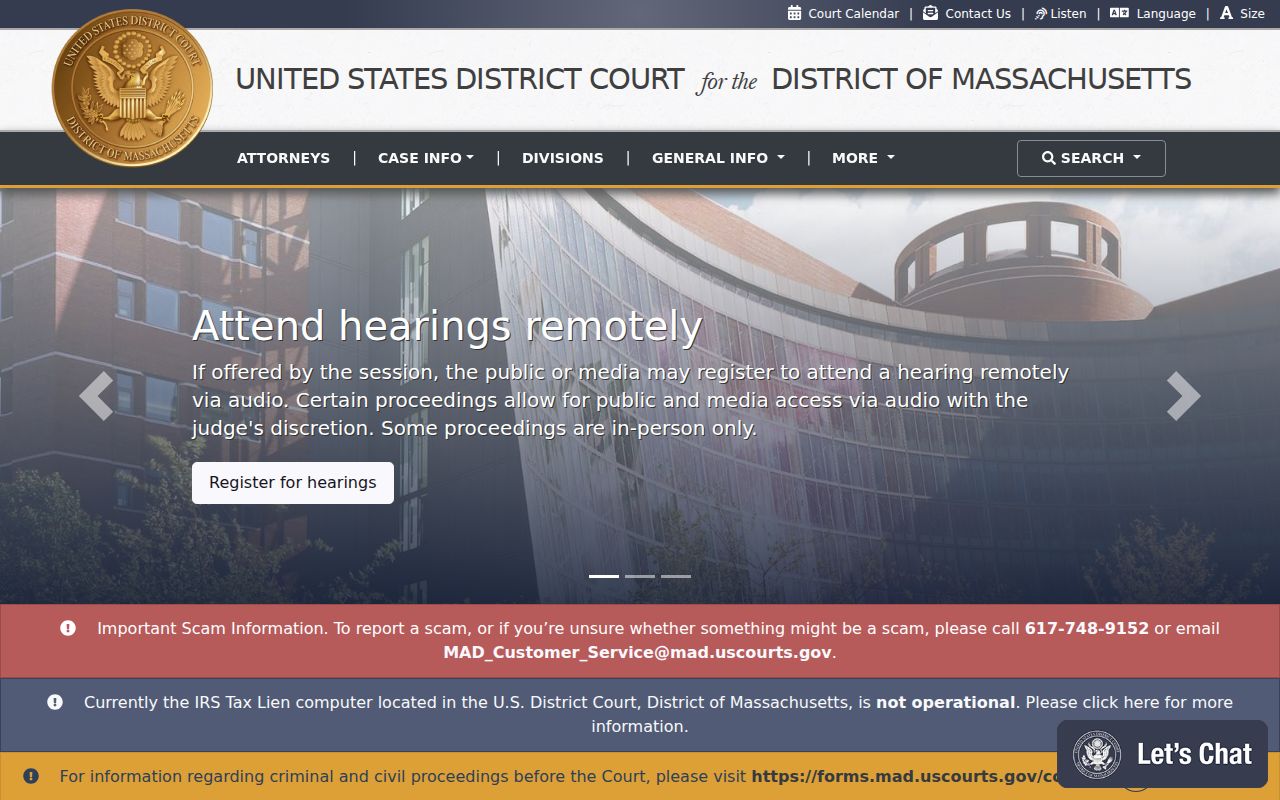
Federal process is a separate system. No state search will confirm it. The U.S. District Court for Massachusetts holds federal case files, and its District of Massachusetts covers Bristol County.
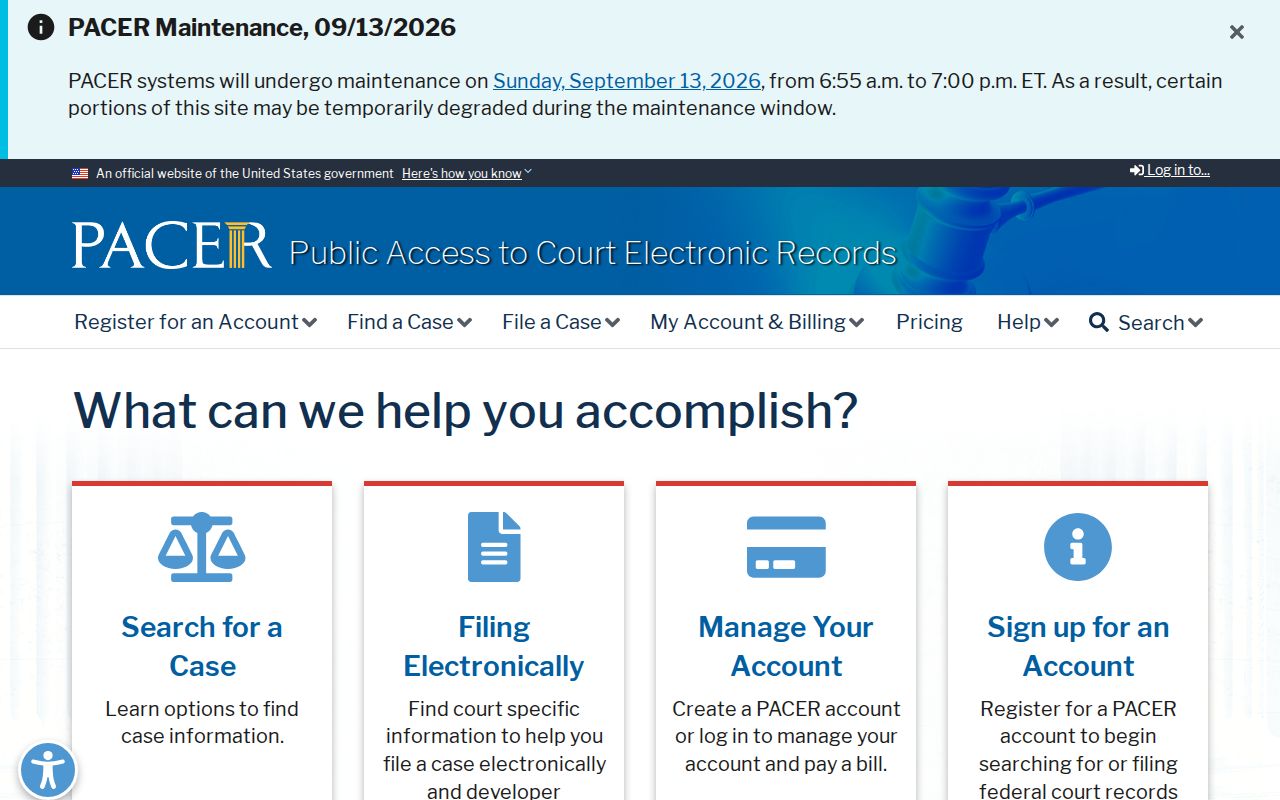
Docket research runs through PACER, which charges by page and caps the cost per document. Sealed complaints and warrants stay off it, so an empty Bristol County result proves little.
No public phone check confirms a named federal warrant. The U.S. Marshals Service district office handles federal fugitive work. A federal question about a Bristol County case belongs with the federal clerk or an attorney.
Where to Check Warrants in Bristol County
Each office in Bristol County answers a different question. The clerk of the issuing court can speak to the case. A police department can confirm that an officer served a warrant and can take a records request, but it does not control the case. The sheriff handles custody after an arrest and civil process. It cannot recall a court order. That split is why one phone call rarely finishes the job. A criminal matter and a family contempt matter can involve different departments, different clerks, and different rules. A single citation can even touch both the court and the Registry of Motor Vehicles.
Bristol County Warrant Records Requests
A records request is the right tool when you want a policy, a log, a fee schedule, or a count. It is the wrong tool when you want someone's status. A request to the sheriff goes to the records access officer in writing, by hand, mail, or email, with a clear description and a date range. Agencies can supply existing records in a usable format and can charge for the work. The limits are real. The office says it cannot release criminal offender record information or other protected identifying data. A Bristol County request should also never ask an agency to create a list that does not exist.
Restricted Warrants and Access Rules
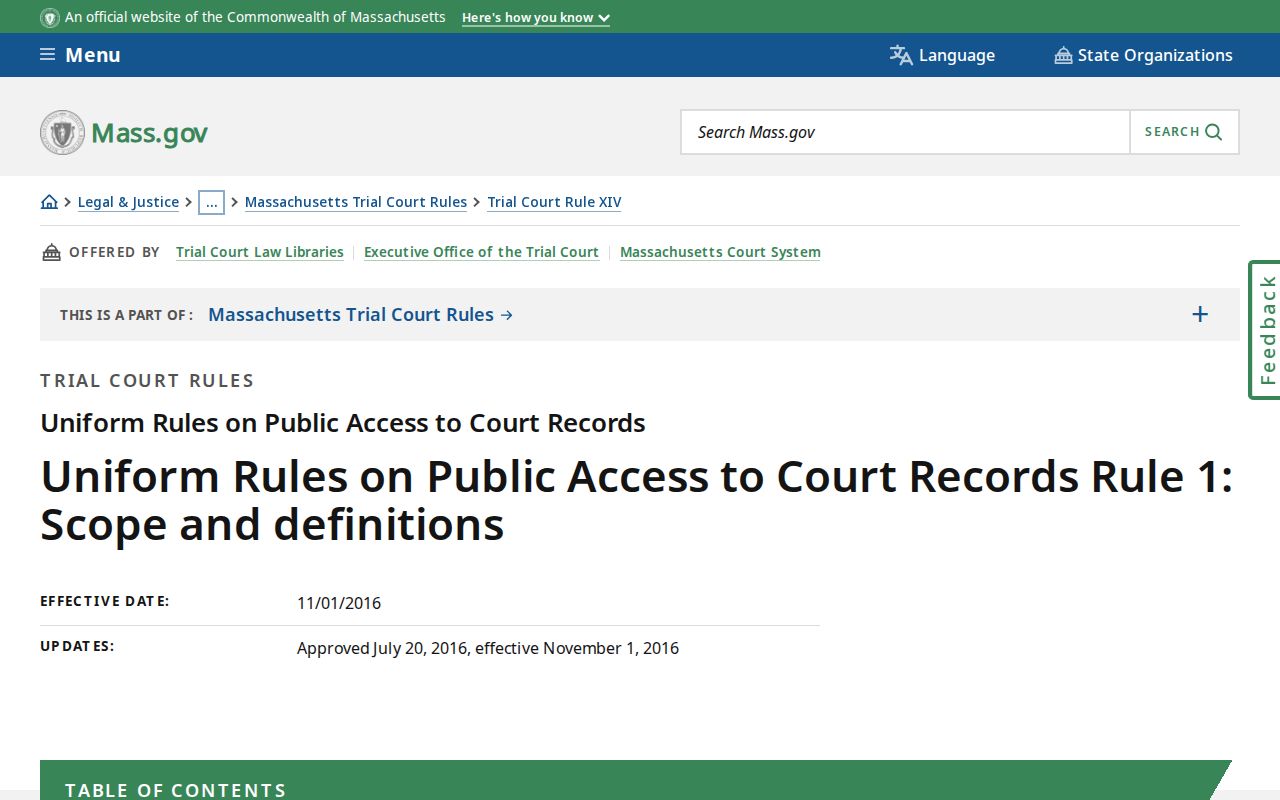
Openness is the default, not the whole rule. The public access rule presumes openness for non-impounded records while leaving room for sealing, impoundment, and confidentiality. Juvenile sessions in Bristol County are closed.
At a Bristol County courthouse, non-impounded records are generally open for inspection during business hours, and a kiosk can help you find a docket. Copies can carry a fee.
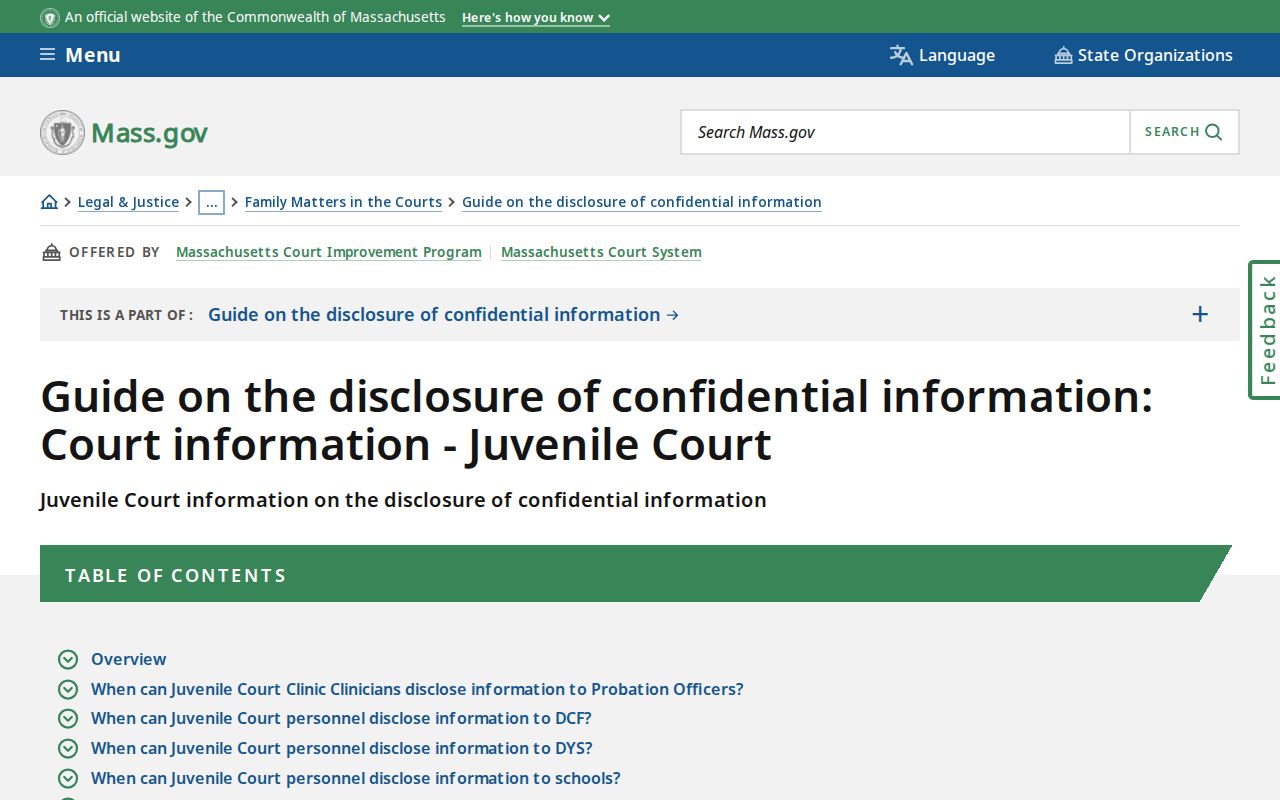
Juvenile and family matters sit behind different confidentiality rules. A family file in Bristol County can hold financial and child-related material that stays protected.
Key Rules:
Sealed and impounded records do not appear in a public search, and the clerk cannot describe them to a stranger.
Juvenile Court records are confidential, so a juvenile warrant will not surface in a public lookup.
Absence from a public search is not proof. A warrant can be newly issued, held by another court, or outside the public channel.
Calling a Clerk About a Bristol County Warrant
A short, organized call to a Bristol County clerk gets a real answer about an outstanding warrant. Write things down before you dial. List the court name, the docket or citation number, the charge, and the date that was missed. Include the full legal name plus any prior names. Then ask which office handles warrant questions for that session. Find out whether recall takes a motion, a payment, a court date, or a personal appearance. Also ask how the court proves in writing that the warrant is gone. The official warrant-check guidance adds that a lawyer may come with you, and that a public defender may be appointed in eligible cases. Staff in Bristol County courts cannot give legal advice, though, so keep your questions about procedure.